 When utilities evaluate Advanced Metering Infrastructure (AMI) projects, most of the attention is focused on selecting meters, endpoints, and software platforms. These decisions are critical, but there is another component that often receives far less consideration: the connector. The connector may seem like a small piece of the AMI ecosystem, but it plays an important role in system flexibility, interoperability, and long-term reliability. In many deployments, connectivity decisions are inherited through bundled technology selections rather than intentionally evaluated. Over time, those decisions can influence how easily a utility adapts to changing technologies and operational requirements.
AMI Infrastructure Is Constantly Evolving
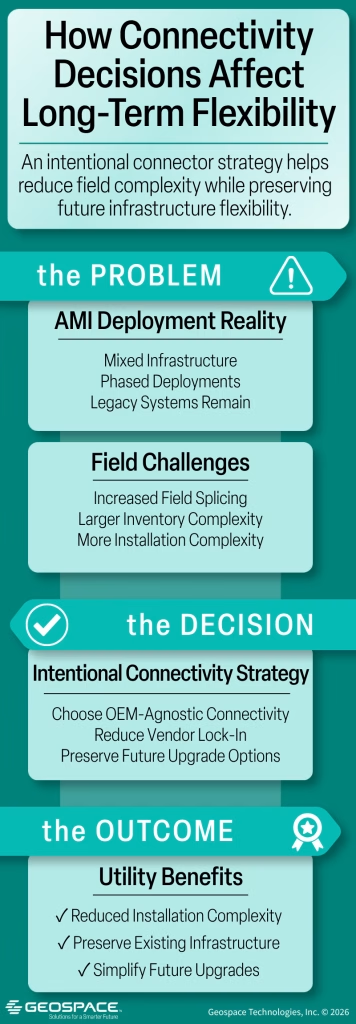
AMI systems are not static. Utilities rarely replace their entire metering infrastructure at once. Deployments often occur in phases over many years, creating an environment where multiple generations of technology must coexist. Legacy infrastructure remains in service, new technologies are introduced, and operational priorities change. As a result, most utilities manage a mix of meters, endpoints, and communication technologies across their service territory.
This reality creates challenges that include:
- Field splicing during installations
- Increased inventory complexity
- Additional training requirements
- Compatibility concerns during upgrades and migrations
An intentional connectivity strategy can help simplify deployments while preserving future options.
Flexibility Matters More Than Ever
Many utilities find themselves balancing competing priorities:
- Extending the life of existing assets
- Expanding AMI coverage
- Supporting new communication technologies
- Managing budget constraints
- Reducing operational disruption
The connector can influence each of these objectives. When connectivity options support interoperability between multiple manufacturers, utilities gain flexibility to adapt as their infrastructure evolves. This flexibility can reduce the need for wholesale system replacement and help preserve investments already made in the field.
The goal is not simply to connect today’s equipment. The goal is to maintain options for tomorrow.
Questions Every Utility Should Ask About Connectors in an AMI Project
As utilities evaluate connectivity solutions, several questions deserve consideration:
Is the connector standardized or proprietary?
Proprietary solutions can limit future choices. Standardized connectivity approaches may provide greater flexibility as technologies evolve.
Will it support future migrations?
AMI systems often change over time. Utilities should consider whether their connectivity choices can support future meter, endpoint, or network upgrades.
Are adapter options available?
Adapters and interoperability solutions can help bridge technology transitions and reduce disruption during phased deployments.
Does it support interoperability?
The ability to connect equipment from multiple manufacturers can help utilities maintain flexibility and avoid unnecessary infrastructure replacement.
Is it built for the environment where it will operate?
This question is often overlooked, yet it may have the greatest impact on long-term reliability.
Reliability Starts with Construction
Water utility environments can be far more demanding than many people realize. AMI connectors are routinely exposed to:
- Standing water
- Flooding conditions
- Freeze-thaw cycles
- Temperature extremes
- Repeated field handling
Over the life of a deployment, these conditions can significantly affect system performance. Reliability begins with connector construction. Material selection, sealing methods, and manufacturing processes all contribute to long-term durability. Geospace’s Hydroconn® family is built using specialized thermoplastic polyurethane (TPU) construction, overmolded thermal bonding, and a flexible waterproof design intended for long-term field performance in harsh utility environments.
Maintaining Infrastructure Flexibility
Utilities already have a choice when it comes to connectivity. The challenge is that connectivity decisions are often made indirectly through broader equipment selections rather than evaluated as part of a long-term infrastructure strategy. Hydroconn® connectors are designed to support interoperability across a broad range of water meter and AMI endpoint manufacturers. This OEM-agnostic approach helps utilities maintain flexibility as systems evolve and requirements change. Whether you’re expanding an existing deployment, integrating new technologies, or planning future upgrades, connectivity can help you keep your operations flexible.
Expanding the Hydroconn Platform
For more than a decade, utilities have relied on Hydroconn® connectivity solutions to help simplify AMI deployments and maintain flexibility as infrastructure evolves. With more than 40 million connectors deployed, Hydroconn has become one of the most widely used connectivity platforms in the water industry.
The Hydroconn family includes multiple connector platforms designed to support interoperability across leading AMI ecosystems. Hydroconn® Series III, commonly referred to throughout the industry as the “Nicor connector,” has become one of the most widely deployed connector solutions available. Series IV expands compatibility with Itron® applications, while the recently introduced Series V extends support for Badger Meter® deployments.
Together with HydroAdapt™, which enables interoperability between additional meter and endpoint technologies, the Hydroconn platform helps utilities preserve infrastructure investments, simplify migrations, and maintain flexibility as AMI systems evolve.
The objective is straightforward: give utilities more options. Whether supporting existing deployments, integrating new technologies, or preparing for future upgrades, Hydroconn is designed to help keep infrastructure connected without unnecessary disruption.
Make Connectivity an Intentional Decision
The connector may not be the most visible component of an AMI deployment, but it can influence flexibility, reliability, and future upgrade options for years to come. As utilities continue to modernize their infrastructure, connectivity deserves a seat at the table alongside meters, endpoints, and software platforms. When evaluating AMI systems, think long term. Maintain flexibility. Demand proven reliability. Preserve utility choice.
Sometimes the most important component is the one that’s easiest to overlook.