

Mariner
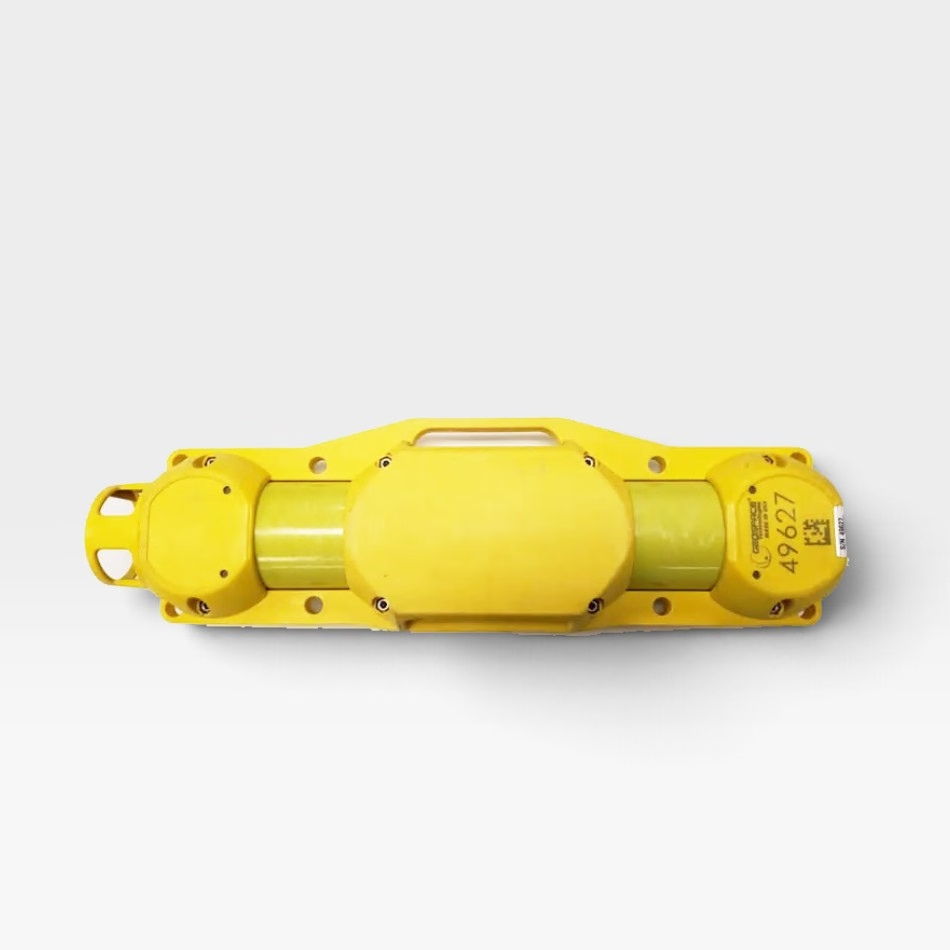
Slim Profile Shallow Water Ocean Bottom Node

PRODUCT DETAILS
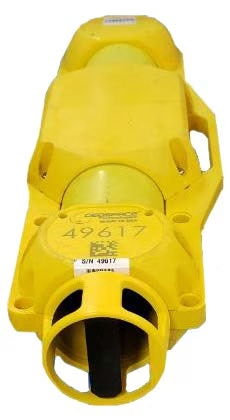
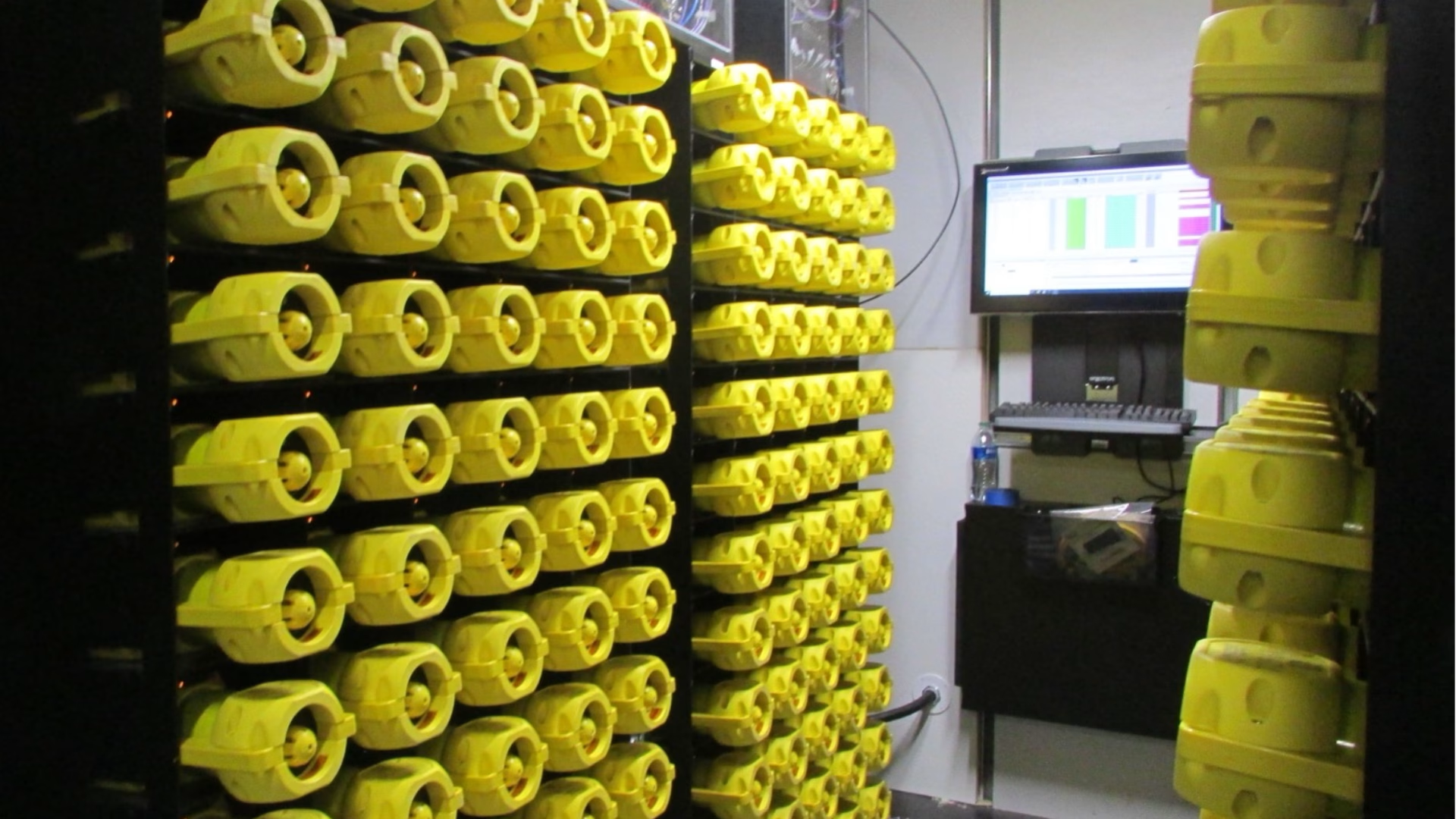
Mariner is the next generation shallow water ocean bottom node designed for extended duration seabed ocean bottom seismic data acquisition. The slim profile nodes are ideally deployed as deep as 750 meters. The device continuously records for up to 70 days and offers more rapid recharging times. Its slim profile creates space savings on seismic survey vessels, allowing contractors to fit up to 25% more nodes into a download/charge container.
Mariner, a shallow water ocean bottom node has wireless connector-free charging and data download functionality. Additional features of the Mariner include an internal heading sensor and solid-state flash memory up to 32 GB per channel. Mariner’s four channel node uses all Geospace designed and manufactured sensor components including three patented, high sensitivity GS-ONE geophones configured tri-axially along with an MP-18 BH hydrophone. The built-in full resolution test generator offers users the added security of a fully functional recorder capable of high-fidelity data acquisition.
Mariner is fully compatible with the Geospace Equipment Manager (GEM) 4.0 Unified Interface, a proprietary software package of GeoUtilities, GeoReaper and GeoMerge, that incorporates the power of distributive computing, allowing a single operator interface to control the scalable data collection and delivery needs of any sized crew.
Features
- Wireless charge and data download
- Continuous cable-free 4C autonomous recording
- Maximum operating depth of 750 meters
- Battery life: 70 days operation
- Built-in full resolution test generator
- Solid-state flash memory: Up to 32 GB per channel
- Internal heading sensor
See What Others Can’t
Get high-quality seismic data below the seabed.
Mariner combines 3C geophone measurements with hydrophone recordings to acquire four-component seismic data in marine environments. This combination provides valuable information for subsurface imaging, helping exploration teams build a more complete understanding of geological structures beneath the ocean floor.
Turn Insight into Action
Ocean-bottom data drives exploration decisions.
Mariner’s autonomous recording, internal heading sensor and built-in testing capabilities support reliable seismic acquisition. Compatibility with Geospace’s equipment management software helps crews manage data collection and delivery, giving geophysical teams the information they need for processing and interpretation.
Do More with Less
Make better use of vessel space and crew time.
Mariner’s slim-profile design allows more nodes to fit within available vessel storage and handling systems. Wireless charging and data download eliminate exposed data and charging connectors, simplifying turnaround between deployments. These features help contractors improve operational efficiency during demanding marine surveys.
GS-ONE Omni Geophone
Physical Specifications
|
Moving Mass
|
13.2 g
|
0.466 oz
|
|
Maximum coil excursion p-p
|
4.06 mm
|
0.16 in.
|
|
Minimum coil excursion p-p
|
1.02 mm
|
0.04 in.
|
|
Diameter
|
30.5 mm
|
1.2 in.
|
|
Height
|
40.7 mm
|
1.6 in.
|
|
Weight
|
130 g
|
4.60 oz
|
|
Operating and Storage Temperature Range
|
–40°C to +100°C
|
–40°F to +212°F
|
Electrical Specifications
|
All parameters are specified with 7.5 kΩ load at 25°C in all tilt positions unless otherwise stated.
|
|
|
Frequency
|
15 Hz
|
|
Spurious Frequency
|
>160 Hz
|
|
Distortion at Horizontal
|
0.05% typical
|
|
Coil Resistance
|
1450 Ω
|
|
Sensitivity at 70% Damping
|
69.2 V/m/s (1.75 V/i/s)
|
|
Open-Circuit Damping
|
70%
|
|
Distortion at all tilt angles
|
<0.2% measured at 15 Hz with 0.2 in/s p-p
|
MP 18 BH Hydrophone
Electrical Specifications
|
Nominal Capacitance (at 25°C 1atm)
|
16.0 nanofarads
|
|
Voltage Sensitivity
|
4 V/Bar
|
|
Sensitivity (dBv ref 1μPa @ 25°C)
|
208 dB
|
|
Frequency Response (into 2 MΩload)
|
5 –1,000 Hz (typical)
|
1. Safe to be used slightly below 0°C as long as water is not frozen. Do not let hydrophone be frozen in ice, as this will cause irreversible damage to the crystals.
2. Voltage Sensitivity is specified when connected to OBX.
Mariner
Mechanical Specifications
|
METRIC
|
US
|
|
|
Length
|
578 mm
|
22.75 in.
|
|
Width
|
178 mm
|
7.0 in.
|
|
Height
|
102 mm
|
4.0 in.
|
|
Weight in Air
|
7.85 kg
|
17.3 lbs.
|
|
Weight in Seawater
|
2.39 kg
|
5.26 lbs.
|
|
Maximum Operating Pressure
|
7.5 MPa/75 Bar
|
1,095 psi
|
|
Maximum Operating Depth
|
750 M
|
2,460 ft.
|
|
Operating Temperature Range
|
–5°C to +50°C
|
+23°F to +122°F
|
Electrical Specifications
|
Digitized 4C Recording Station: 4 Channel, 24 Bit A/D Digitizer3C Orthogonal oriented GS-One OMNI Geophones1 MP-18BH-2500 Hydrophone
|
|
|
Digitization
|
24-bit Delta-Sigma
|
|
Sample Interval
|
0.25, 0.5, 1, 2, 4 ms
|
|
Pre-amplifier Gains
|
0, 6, 12, 18, 24, 30, 36 dB
|
|
Maximum Input Signal
|
1.8Vrms
|
|
Equivalent Input noise (@2ms sample interval)
|
0.17μVrms
|
|
Gain Accuracy
|
Better than 1%
|
|
Anti-alias Filter
|
83% Nyquist
|
|
Instantaneous Dynamic Range
|
124dB @ 2 ms sample interval
|
|
THD
|
<0.2%
|
|
Distance Between Digitizer & Farthest Sensor
|
<36 cm
|
|
Distance Between All Sensors
|
<4 cm
|
|
Flash Memory
|
16 GB or 32 GB per channel
|
|
Frequency Response
|
1 Hz – 825 Hz @ 1/2 ms sample interval
|
|
Battery Life
|
70 days operation
|
|
Internal Heading Sensor
|
+/-5º
|
Resources

Frequently Asked Questions about Ocean Bottom Nodes
Mariner is designed to make shallow-water ocean bottom seismic data acquisition more efficient without compromising data quality. Its slim profile, autonomous four-component (4C) recording, and connector-free charging and data transfer help contractors simplify equipment handling and maximise available vessel space. Explore how Mariner’s design and performance capabilities support demanding offshore seismic surveys.
What should contractors consider when selecting an ocean-bottom node for shallow-water surveys?
Selecting an ocean-bottom node requires evaluating water depth, recording duration, sensor performance, deployment logistics, and equipment handling requirements. Mariner is designed for surveys at depths up to 750 meters, combining autonomous four-component recording with a slim, low-profile housing. Its connector-free charging and data download capabilities also simplify operations between deployments. These features make Mariner a practical choice for contractors looking to balance seismic data quality with operational efficiency.
In what water depths can Mariner operate?
Mariner has a maximum operating depth of 750 meters (2,460 feet), making it suitable for shallow-water ocean-bottom seismic acquisition. Its housing is rated for operating pressures up to 7.5 MPa (75 bar). The node’s slim profile and autonomous design support deployment across a range of shallow offshore survey environments.
How does the compact, slim-profile design of Mariner improve offshore surveys?
Space and handling requirements can significantly affect the efficiency of ocean-bottom seismic operations. Mariner’s slim profile allows contractors to fit up to 25% more nodes into a download and charging container compared with the previous equipment configuration referenced in Geospace’s product launch materials. Its compact design helps improve onboard equipment density, providing an opportunity to optimize vessel space and streamline node handling.
How long can Mariner record continuously?
Mariner supports up to 70 days of continuous autonomous recording. Its battery-powered design eliminates the need for external recording cables during deployment, while onboard solid-state flash memory provides up to 32 GB of storage per channel. Extended recording capability allows contractors to plan acquisition operations around survey requirements while reducing the need for intermediate equipment servicing.
What seismic sensors are used in Mariner's four-component recording system?
Mariner uses three orthogonally oriented Geospace GS-ONE OMNI geophones and one MP-18 BH hydrophone to acquire four-component seismic data. The system combines three-component particle-motion measurements with pressure measurements from the hydrophone. This configuration provides the seismic information needed for multicomponent processing and analysis, including applications that benefit from separating wavefield components.
It’s important to note, Geospace not only designed and built the Mariner. It designs and builds the sensors inside Mariner. Geospace controls the entire process of product development from beginning to end.
How does Mariner support high-quality data acquisition?
Mariner combines Geospace-designed seismic sensors with 24-bit digitization, selectable sample intervals, and onboard solid-state recording. Its specified instantaneous dynamic range is 124 dB at a 2 ms sample interval. The node also includes an internal heading sensor with ±5° accuracy and a built-in full-resolution test generator. Together, these capabilities support high-fidelity recording, equipment verification, and consistent data acquisition throughout a survey.
What are the operational advantages of Mariner's connector-free charging and data download?
Mariner uses wireless, connector-free technology for charging and transferring recorded seismic data. Eliminating external charging and download connectors reduces the number of physical connections required during equipment turnaround and removes connector-related handling from those operations. This design helps simplify repetitive charging and data download tasks, particularly for contractors managing large OBN inventories across multiple deployments.
How does Mariner reduce the overall operational costs of ocean bottom seismic data acquisition?
Mariner addresses several equipment-related factors that influence survey costs, including vessel space, charging and download operations, equipment handling, and maintenance. Its compact profile increases node density in available storage and processing space, while connector-free operation simplifies equipment turnaround. Combined with up to 70 days of autonomous recording, these features can help contractors improve operational efficiency and manage the lifetime cost of their OBN equipment.
