IMAGE TECHNICAL PRESENTATIONS: Passive Seismic Monitoring of CO2 Storage Using Compact Phased Arrays
28 August–1 September 2022 George R. Brown Convention Center Houston, Texas
Passive and persistent seismic monitoring serves as a key tool to ensure CO2 storage operations are effective and safe. Future demand for induced seismicity monitoring at gigatonne scales is driving efforts to enhance signal resolutions and event detection/location capabilities. At the same time, the economic and logistical considerations of persistent monitoring are steering toward permanently installed robust systems with the minimum number of channels, reduced infrastructure requirements, and minimal surface expression.
During the International Meeting for Applied Geoscience and Energy (IMAGE) Show 2022, Geospace subsidiary Quantum Technology Sciences will conduct two presentations on an alternative acquisition technology using volumetric phased array networks known as SADAR®. By taking advantage of the three-dimensional array response and spatially-coherent processing, SADAR optimally suppresses non-coherent noise while increasing coherent Signal to Noise Ratio prior to event detection. This reduces the uncertainty in determining seismic arrivals, especially for low Signal to Noise Ratio events. SADAR arrays can be tuned and scaled to meet the design frequencies and wavelengths specific to the site as well as the required noise suppression. A SADAR array network is smaller compared to a typical linear or planar surface sensor network in terms of sensor count and deployment footprint.
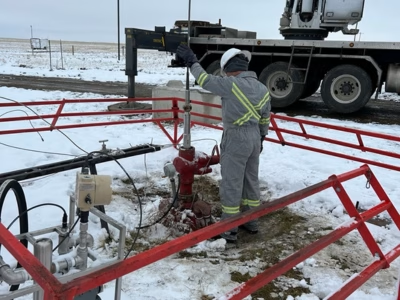
The presentation will share the effective subsurface monitoring achieved in a deployment at Carbon Management Canada’s Containment and Monitoring Institute outside Calgary, AB.
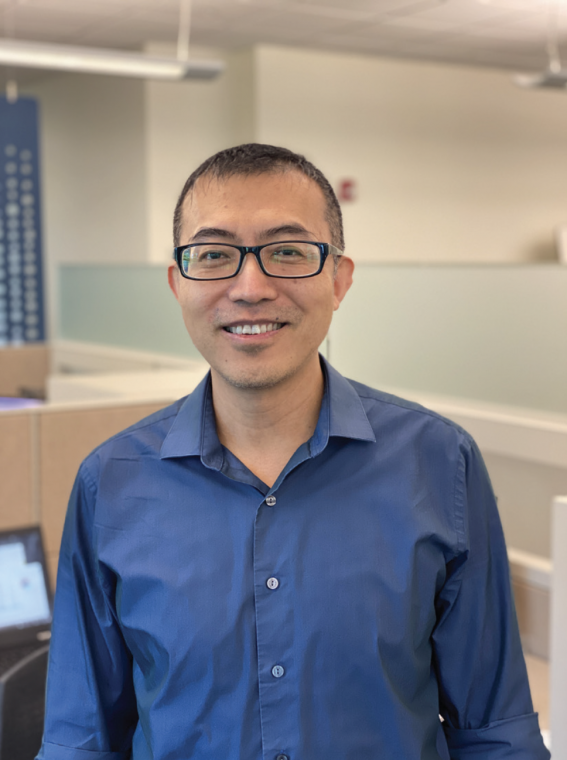 |
Presentation: Seismic monitoring using compact phased arrays: CO2 sequestration monitoringPresenter: Jamie Longbow, PhD, Senior Principal Scientist |
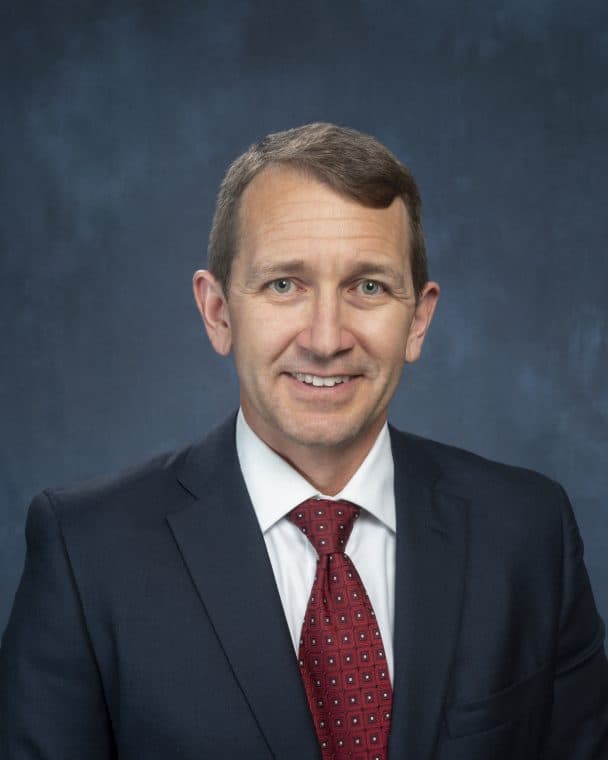 |
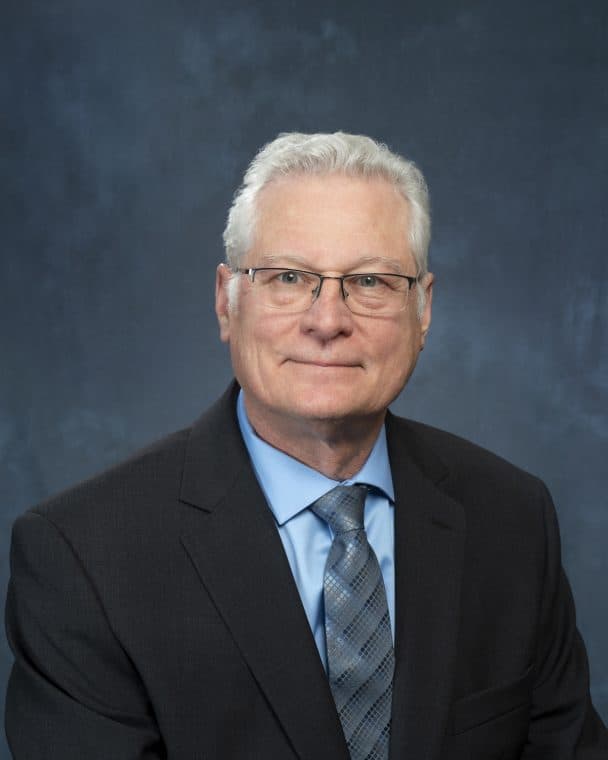
Workshop-13: Subsurface Characterization — How Can Monitoring Impact Energy Transition?Presenter: Mark Tinker, PhD, CEO of Quantum Technology Sciences |
|
|
Workshop – 1: Technologies for Improving Seismic AcquisitionPresenter: Robbin Adams, Chief Engineer, Geospace Technologies |